
If you’ve ever made a pot of soup that tasted a little flat, even after adding more seasoning, think back to what happened before you poured in the broth. Did the meat get a chance to brown? Were the onions cooked long enough? Did you scrape up those good browned bits from the bottom of the pot?
I’ve learned that building flavor in soup starts with those small decisions. Browning, sautéing, and roasting develop flavors you don’t get in quite the same way from simply simmering everything in liquid. You don’t need to do all three, and not every soup should taste deeply browned. You just need to give the ingredients the start they deserve.
First, decide what kind of soup you’re making
I don’t start every soup the same way. For a beefy soup or stew, I often want a good sear on the meat. For a creamy vegetable soup, I might gently soften the onions instead. And for a smooth roasted-vegetable soup, some of that work can happen on a sheet pan before the pot ever goes on the stove.
The goal isn’t to brown everything. It’s to choose the technique that suits the ingredients and the flavor you’re after.
CHOOSE YOUR STARTING POINT
Brown the meat in batches to develop savory color before adding liquid.
Soften aromatics slowly, letting the onions turn golden only when you want deeper sweetness.
Roast vegetables for browned edges, then blend or simmer them with broth.
Give the meat room to brown
When I want a soup with a rich, beefy base, I start by letting the meat brown rather than constantly moving it around. A hot pan and a little space between pieces help the surface develop color. If you pile too much meat into the pot at once, the released moisture can make it steam instead.
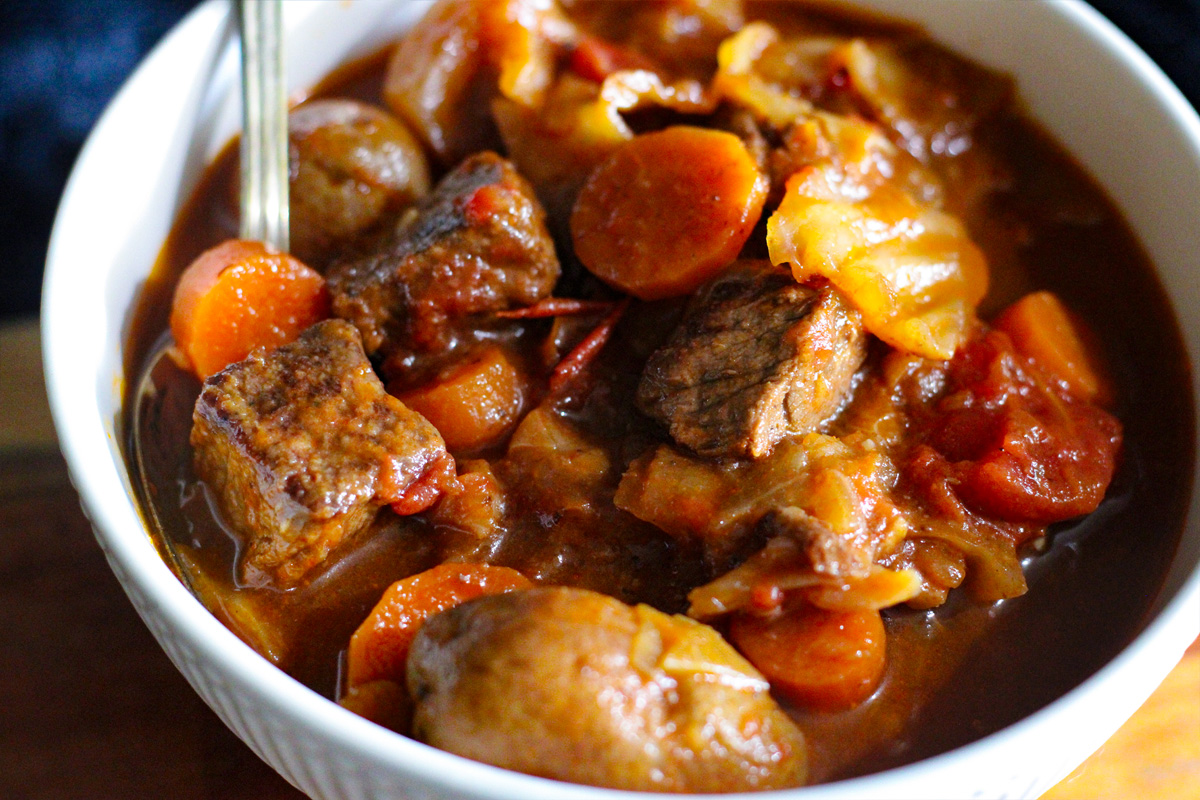
That’s why the first step in my Beef and Cabbage Soup is to sear the beef in batches. I let the pieces sit long enough to brown on one side before turning them. The beef will finish cooking later in the broth, but that early browning helps build the flavor of the soup.
This doesn’t apply to every ingredient. A delicate chicken soup or a broth-forward vegetable soup may call for a gentler beginning.
Cook the aromatics with intention
Onions, carrots, celery, peppers, and garlic can all contribute to a soup’s base, but they don’t need identical cooking times. I usually start with the ingredients that need longer to soften, then add garlic closer to the end so it becomes fragrant without scorching.
Sometimes I just want translucent onions with no noticeable browning. Other times, a little golden color adds sweetness and depth. In my Creamy Sausage Potato Soup, I take the onions a little further after cooking the sausage. That choice gives the creamy broth another layer of flavor.
You don’t have to caramelize onions for every pot of soup. The useful question is whether you want a gentle, clean vegetable flavor or something deeper and sweeter.
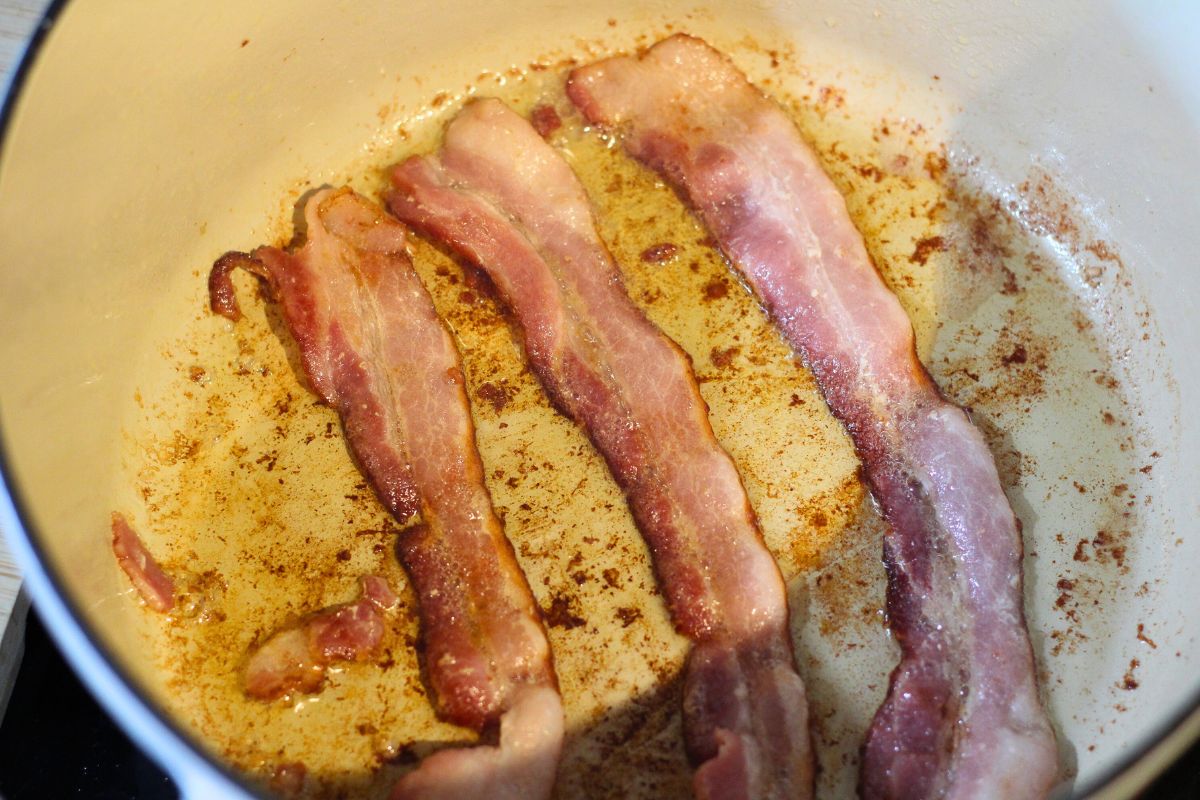
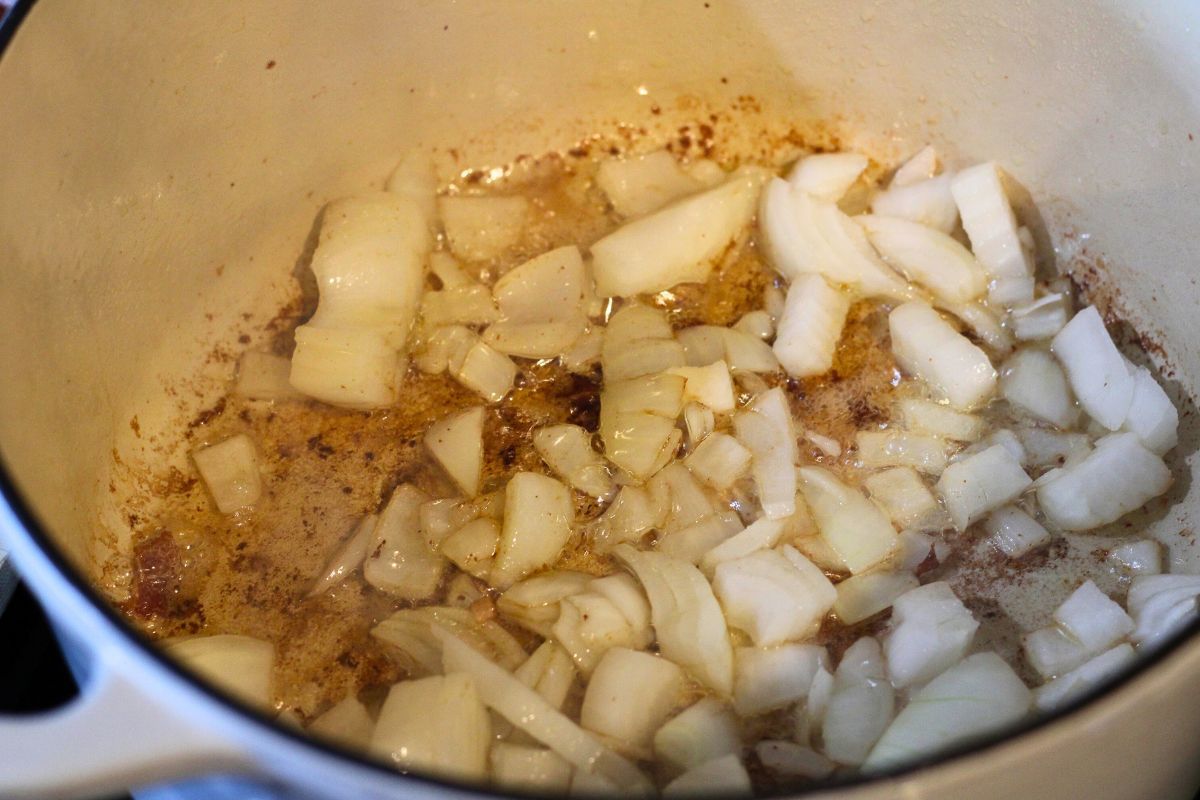
From my Smothered Cabbage and Potatoes: cooking bacon first, then adding onions to the rendered fat, builds flavor before the rest of the ingredients go in. The same idea works when starting a pot of soup.
Those browned bits in the pot are worth keeping
After you sear meat or sauté vegetables, you may notice golden or brown bits stuck to the bottom of the pan. That’s called fond, and it can add a lot of savory flavor when you dissolve it back into the soup.
Here’s how I do it: once the meat is browned, I turn the heat down a little and add a small splash of broth or water, just enough to wet the bottom of the pot. While the liquid bubbles, I scrape with a wooden spoon until those stuck-on brown bits loosen. Then I add the rest of the liquid and keep going with the soup. That’s deglazing, and it takes less than a minute or two in most cases.
There’s a difference between browned and burned. If the bottom of the pot smells burnt or has blackened bits stuck to it, scraping those into your soup won’t make it taste better. Lower the heat or start with a clean pot if something has truly burned.
Give tomato paste or sauce a moment, too
For tomato-based soups, I sometimes cook tomato paste briefly in the pot before adding the full amount of liquid. Stirring it in the hot fat helps it deepen in color and lose some of its raw, sharp edge. It should darken slightly, not burn.
My Stuffed Pepper Soup uses a related idea: the tomato sauce cooks with the beef and vegetables and reduces before the broth goes in. The concentrated sauce becomes part of the base instead of just being stirred into a large pot of liquid.
Sometimes the best flavor starts in the oven
Not every soup starts with a skillet or a Dutch oven. In my Roasted Red Pepper, Tomato and Carrot Soup, I roast the vegetables first, then blend them with broth. Roasting softens the vegetables, evaporates some moisture, and creates browned edges that give the finished soup a different flavor than boiling those same ingredients.
It’s a technique I used when making large batches of vegetable soup in a restaurant kitchen, and it translates just as well to a smaller batch at home.

A quick checklist before the broth goes in
- Is the meat browned enough for the soup I’m making?
- Have the onions and other vegetables softened or developed the color I want?
- Did I add the garlic late enough that it didn’t burn?
- Is there flavorful fond on the bottom of the pot that I should deglaze?
- Would roasting the vegetables make more sense for this particular soup?
You won’t need every step for every soup. Sometimes I want browned meat and a rich base; other times I want soft, sweet onions and a lighter broth. The checklist is a reminder to decide that before you reach for the liquid.
So the next time a soup needs more flavor, don’t think only about what to add at the end. Think about what you can do at the beginning. A few extra minutes at the stove can make the whole pot taste better.
