
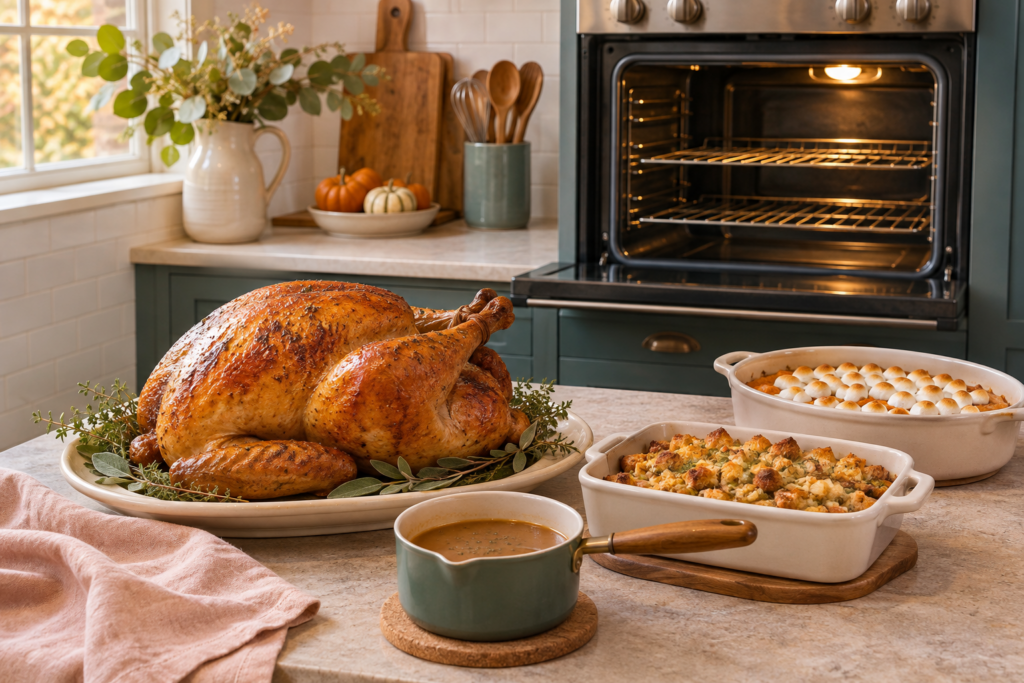
Keeping Thanksgiving dinner hot when you only have one oven is mostly a matter of deciding what really needs the oven and what can wait somewhere else. The turkey takes up the most space, casseroles all seem to want the same rack, and the mashed potatoes and gravy still need to be hot when everyone sits down.
- First, give every dish a cooking spot
- A realistic Thanksgiving cooking timeline
- Can you bake multiple Thanksgiving casseroles at once?
- Build Your Thanksgiving Oven Schedule
- How to keep everything hot without drying it out
- Helpful Tools for Keeping Thanksgiving Dinner Warm
- What to do when Thanksgiving dinner runs behind
- An example of a one-oven Thanksgiving menu
- Your next step: test the oven space
The good news is that you can make this work without cooking everything at the last minute. The trick is to group dishes that can share the oven, move a few sides to the stovetop, and give yourself a little breathing room.
Your one-oven plan at a glance
Bake dessert ahead, such as my cranberry apple crumb tart or pumpkin roll, and prepare cranberry sauce early. Keep potatoes and gravy on the stovetop. Reserve the oven for turkey and compatible casseroles, and warm rolls last.
First, give every dish a cooking spot
Instead of writing one long list of Thanksgiving recipes, sort the menu by where each dish will actually cook or finish. This is especially helpful if you are making a traditional dinner with several casseroles.
| Dish | Best place to finish it | Make-ahead approach |
|---|---|---|
| Roast turkey | Oven | Thaw in advance; roast Thanksgiving Day |
| Mac and cheese, stuffing, casseroles | Oven, often grouped | Prepare or cook ahead as the recipe allows |
| Mashed potatoes and gravy | Stovetop | Finish near serving or keep safely hot |
| Cranberry sauce and pie | No oven on Thanksgiving | Make the day before |
| Dinner rolls | Brief oven finish | Warm last, if time allows |
Several smaller casserole dishes may fit across two oven racks if their pans leave room for air to circulate. Large 9×13-inch pans are a different story. Before the big day, put the empty pans into the oven in the arrangement you plan to use.
A realistic Thanksgiving cooking timeline
For a 5:00 p.m. dinner, plan backward from serving time rather than assuming everything must begin at a certain hour. The turkey’s actual finish time is the biggest variable, so think of this as a flexible order of operations, not a promise that each dish will be done to the minute.
01 · 3–4 DAYS BEFORE
Make room for the meal
Check that your turkey has enough refrigerator thawing time for its weight, shop for the menu, and test the empty casserole pans in the oven. Larger frozen turkeys may need more than four days to thaw.
02 · WEDNESDAY
Take tomorrow’s work off your plate
Prepare the cranberry sauce and pie; assemble or bake other dishes ahead when your recipes permit. Cool cooked foods promptly.
03 · THURSDAY MORNING
Turkey gets first turn
Start the turkey with a time buffer. Prepare gravy ingredients, stovetop sides, and toppings while the oven is occupied.
04 · BEFORE DINNER
Bring it all together
Share the oven among compatible casserole pans when they fit, check reheated foods reach 165°F, and finish mashed potatoes and gravy on the stove.
Can you bake multiple Thanksgiving casseroles at once?
Often, yes. Green bean casserole, sweet potato casserole, corn casserole, and stuffing may all call for an oven around 350°F. Check your actual recipes and pan sizes first. When temperatures are compatible and there is room for air to circulate, you can bake multiple sides in the same window instead of scheduling each one separately.
That does not mean a crowded oven will bake all four exactly according to the shortest recipe time. Keep space around pans, stagger them when necessary, rotate dishes if your oven heats unevenly, and check each one individually.
Keep dinner safe: 5 quick checks
- Cook turkey to 165°F. Check the thickest breast area and the innermost thigh and wing with a food thermometer.
- Reheat cooked, refrigerated dishes to 165°F. Check the center of casseroles and leftovers; bring reheated gravy to a boil.
- Hold hot dishes at 140°F or above. Preheat suitable warmers and check the food itself—not just the appliance setting.
- Keep cold food at 40°F or below. Leave chilled dishes in the refrigerator until serving, or keep them over ice.
- Watch the clock. Refrigerate perishable food within two hours, or one hour when the air temperature is above 90°F. Discard food left out beyond those limits.
Based on USDA guidance for turkey temperatures, reheating, and safe buffet serving.
FREE INTERACTIVE TOOL · NO SIGNUP REQUIRED
Build Your Thanksgiving Oven Schedule
See which dishes can bake together and what order to use your oven. Add your recipes, set their temperatures and times, and print the schedule when you’re finished.
Open the Free Oven Planner
Enter your oven dishes below, then select Build my oven schedule. You can print the result without signing up.
How to keep everything hot without drying it out
It’s easier to preserve the texture of each dish when you choose its holding spot before dinner. Use these quick guidelines while the next batch is in the oven.
| Dish | Where to hold it | How to keep the texture |
|---|---|---|
| Mashed potatoes | Covered, in a preheated slow cooker that keeps food at 140°F or above | Stir in warm milk or butter if thickened |
| Gravy | Covered saucepan over low heat, maintaining a safe holding temperature | Stir occasionally; whisk in warm broth if too thick |
| Turkey | Rest briefly, then carve near serving; use proper hot-holding equipment for longer waits | Keep the meat whole until close to serving to retain moisture |
| Casseroles | Suitable warmer after cooking, or serve soon after the oven | Cover creamy dishes and add crunchy toppings at the end, when the recipe allows |
For food safety: Use the temperature guidelines in the checklist above when holding or reheating dishes.
Helpful Tools for Keeping Thanksgiving Dinner Warm
As an Amazon Associate I earn from qualifying purchases.
A warming tray, buffet server, or slow cooker can free up oven space for the next batch. A food thermometer helps you check when turkey and casseroles are ready and whether held foods remain hot enough.
Swipe or scroll to browse the tools →
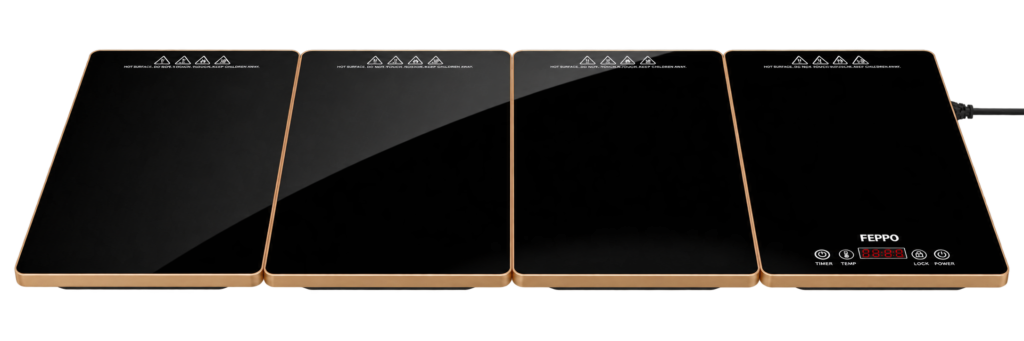
Electric warming tray
Keep prepared dishes hot and free up oven space.
Shop on Amazon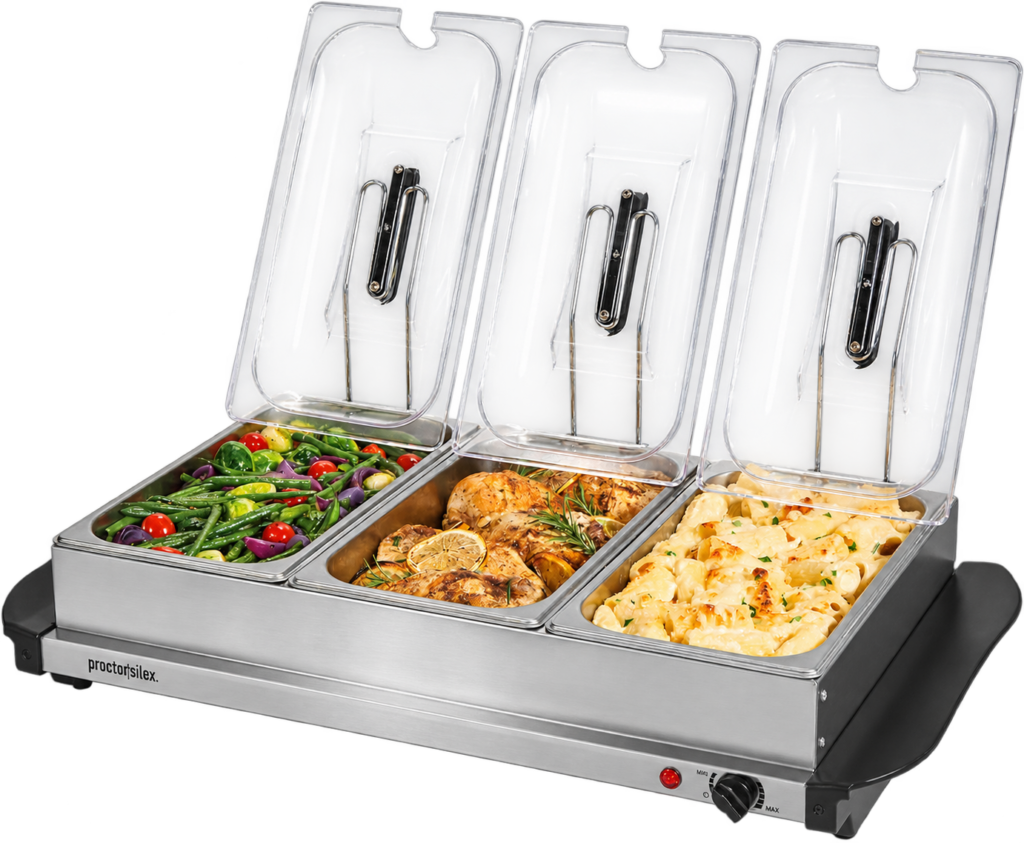
Buffet server
Serve several hot sides in separate compartments.
Shop on Amazon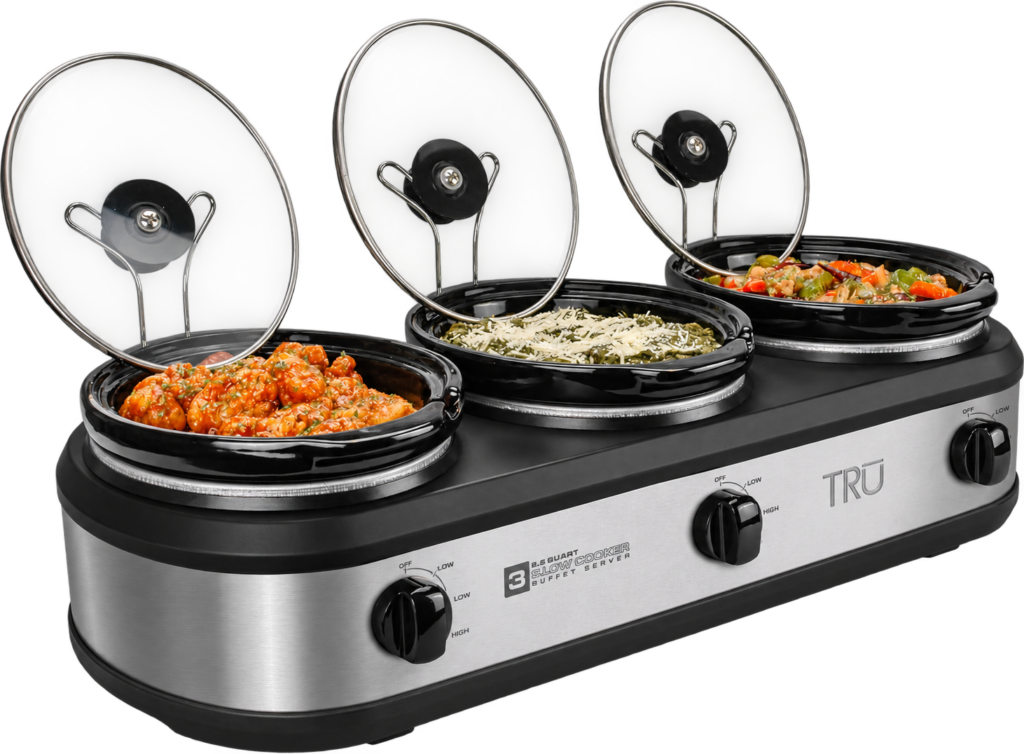
Triple slow cooker
Make space for sides while the oven stays busy.
Shop on Amazon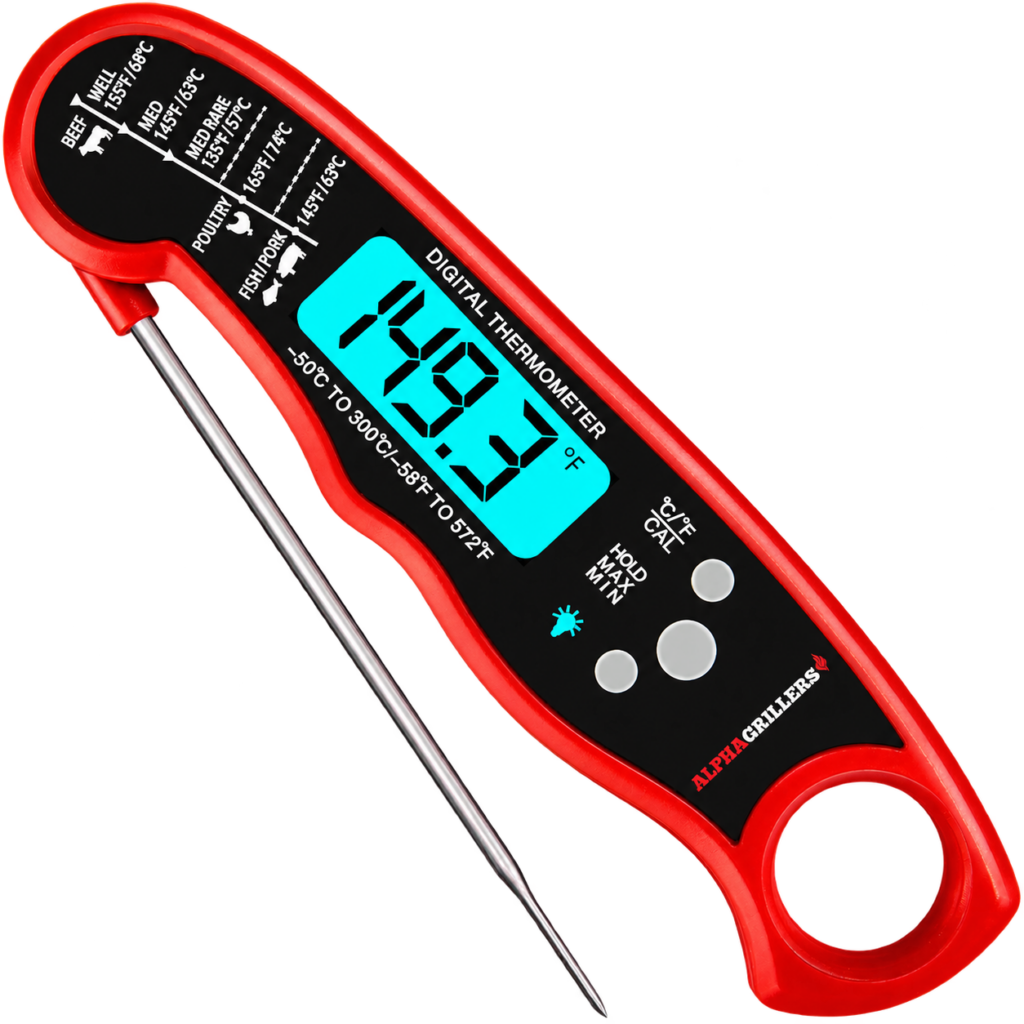
Food thermometer
Check turkey and casserole temperatures with confidence.
Shop on AmazonWhat to do when Thanksgiving dinner runs behind
Even a good cooking plan can get thrown off when the turkey takes longer or a casserole needs more time. Here is where I would adjust instead of rushing every dish.
The turkey is running 30–45 minutes late
Keep checking the turkey with a thermometer rather than turning up the heat just to meet the schedule. Move any oven-free work forward: finish gravy ingredients, set the table, and get the stovetop sides ready. If necessary, shift dinner instead of trying to serve undercooked turkey.
A casserole finishes before the others
If it will be served shortly, keep it covered to retain moisture. For longer waits, use equipment that holds the food at 140°F or above, checking the food temperature rather than relying on the warmer’s setting.
There is no room for the dinner rolls
Skip the oven-warming step or warm rolls earlier if your recipe and safe-storage plan allow. It’s better to serve room-temperature rolls than crowd the oven and delay dishes that need thorough cooking.
An example of a one-oven Thanksgiving menu
If I were serving turkey, baked mac and cheese, stuffing, green bean casserole, candied yams, cranberry sauce, rolls, and pie, I would move the candied yams to the stovetop, prepare the sauce and pie ahead, and reserve one oven window for the baked sides that can genuinely fit together.
Then I would put the turkey thermometer, not a rigid timetable, in charge of when that oven window actually begins. It’s a much calmer way to host than trying to hit ten exact finish times.
Your next step: test the oven space
Before Thanksgiving, set your empty casserole dishes on the oven racks to see what fits, and jot down each recipe’s temperature and baking time. If you want to turn those notes into a schedule, use the free interactive oven planner above. You can print the result without signing up.
For a dish you can make with leftovers after the holiday, my turkey wild rice casserole is another way to put that oven to work.


